

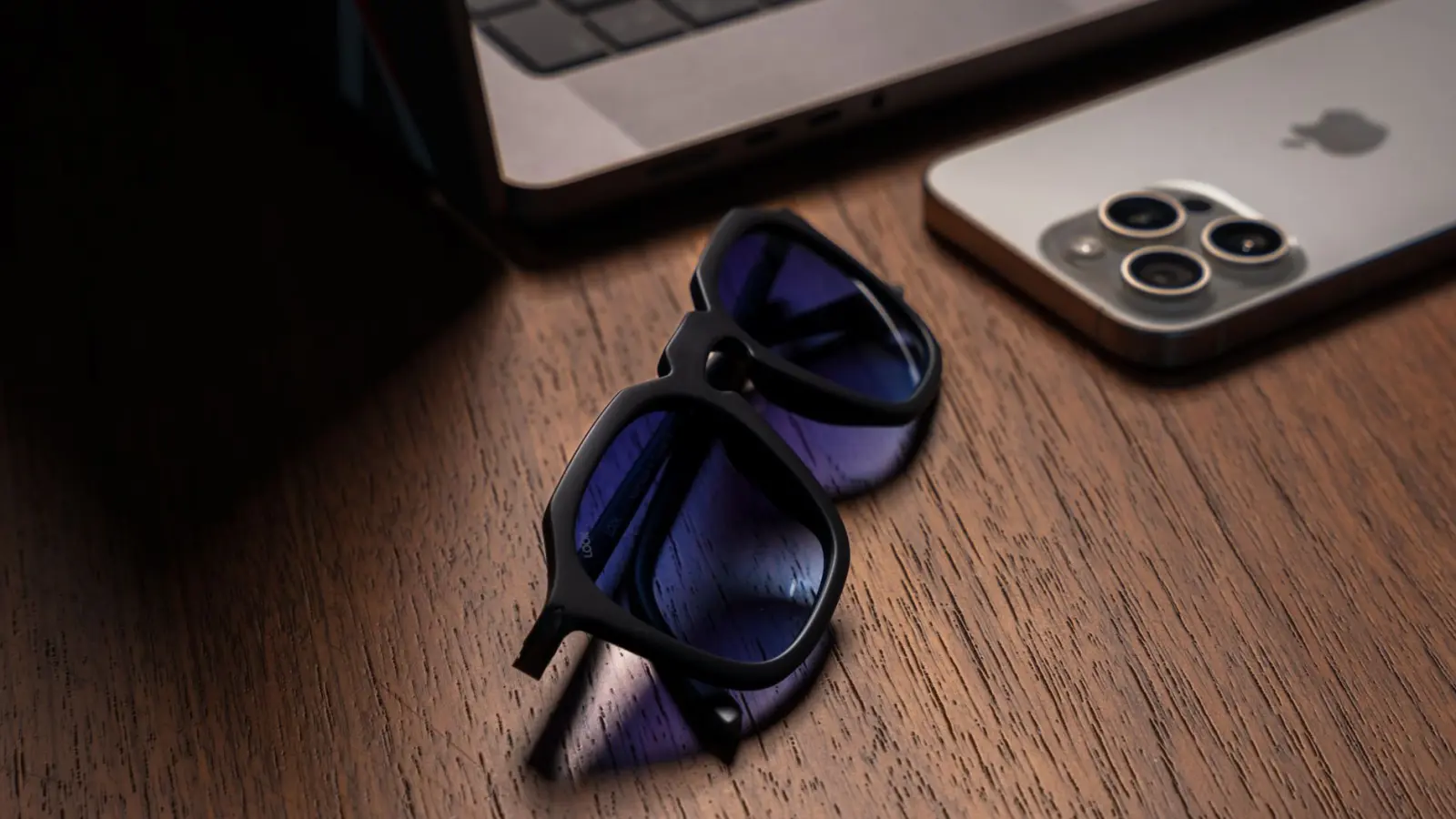
After years of fitting and working with photochromic lenses, I’ve noticed that most people have a vague sense of what they do – they darken in sunlight – but rarely understand the mechanics or the real limitations. The technology has improved significantly, but it still operates within constraints that matter for daily life. What works beautifully on a bright summer afternoon might feel sluggish on a cool morning, and that’s not a defect. It’s how the chemistry actually behaves.
Photochromic lenses contain organic compounds that change structure when exposed to ultraviolet light. This structural shift alters how the lens absorbs visible light, creating the darkening effect. The reverse happens when UV exposure decreases – the compounds revert to their original state and the lens clears. It sounds simple, but the speed and degree of this transformation depends on several factors working simultaneously. Temperature plays a larger role than most people realize. Cold conditions slow the chemical reaction, so lenses darken more gradually in winter or on cool mornings. Heat speeds the process, which is why the same lens might perform noticeably faster in summer.
The Temperature Trap
This is where I see the most confusion. Someone will complain that their photochromic lenses don’t darken enough in their car on a hot day, or they stay dark too long after coming indoors during winter. Both observations are correct, and both stem from temperature sensitivity. In a hot car, the lens reaches a saturation point – it can only darken so much before the chemical reaction plateaus. In cold weather, the reverse reaction slows dramatically, so the lenses take longer to clear once you step inside a warm building. This isn’t a manufacturing defect. It’s the nature of the material.
I’ve also noticed that people often misattribute this to the lens quality itself. A premium photochromic lens and a budget version will both behave this way. The difference lies in how quickly they respond at optimal temperatures and how dark they ultimately become, not in whether temperature affects them. Better lenses tend to have a wider functional range and faster transition times, but they still follow the same physical rules.
UV Exposure and Windshield Glass
One of the most practical observations I’ve made is how often people wear photochromic lenses while driving, expecting them to work the same way as they do outdoors. Car windshields block most ultraviolet light, so photochromic lenses won’t darken significantly behind the glass. This catches people off guard because the sun is clearly bright, but the lens isn’t responding. The lens is actually working correctly – it’s just that the windshield is filtering out the UV radiation that triggers the darkening reaction. Aftermarket windshields or side windows sometimes allow more UV through, which is why the effect might seem inconsistent depending on the vehicle.
This matters for people who spend a lot of time driving. Photochromic lenses provide excellent protection during outdoor activities, but they’re less useful for commuting if you’re mostly looking through a windshield. Some people find it helpful to use them for outdoor portions of their day and switch to regular sunglasses for extended driving.
Lens Material and Performance Variation
The base material of the lens – whether it’s glass, standard plastic, or high-index plastic – affects how photochromic compounds perform. Glass photochromic lenses tend to darken more completely and handle temperature extremes better, but they’re heavier and less common now. Plastic lenses are lighter and more practical for most people, though they may not reach the same darkness level as glass. High-index plastic offers a middle ground, though the photochromic performance is generally comparable to standard plastic.
I’ve also seen variation based on how long someone has owned the lenses. Photochromic compounds can fade over time with repeated UV exposure and cycling. A lens that darkens quickly and completely when new might darken more gradually and less completely after several years of use. This isn’t sudden failure – it’s gradual degradation. Most people don’t notice it happening because it occurs so slowly, but if you compare old lenses to new ones side by side, the difference becomes obvious.
What People Often Overlook
One thing I consistently see is people expecting photochromic lenses to eliminate the need for sunglasses. They don’t. Photochromic lenses provide UV protection and reduce glare to a degree, but they’re not a complete substitute for dedicated sunglasses on very bright days. The darkest a photochromic lens typically gets is around 60 to 80 percent light reduction, depending on the lens type and conditions. Dedicated sunglasses often block 85 to 90 percent or more. For outdoor activities in intense sunlight, many people find it practical to use photochromic lenses as everyday eyewear and switch to dedicated sunglasses when spending extended time outdoors.
Another overlooked aspect is the transition time itself. Most photochromic lenses take 15 to 30 seconds to begin darkening noticeably, and several minutes to reach full darkness. If you walk from a bright outdoor area into a dimly lit building, you’ll spend a few moments with darker lenses while your eyes adjust to lower light. It’s not uncomfortable, but it’s worth being aware of, especially in situations where you need clear vision immediately upon entering an indoor space.
The practical value of photochromic lenses comes down to convenience and consistent UV protection. They eliminate the need to carry and switch between multiple pairs of glasses throughout the day. For people who move frequently between indoor and outdoor environments, this is genuinely useful. They also provide reliable UV filtering without requiring a conscious decision to put on sunglasses. For someone spending most of their time indoors or driving, the benefit is less pronounced. The technology works well within its limitations – understanding those limitations is what separates realistic expectations from disappointment.