

After years of working with people navigating vision correction, I’ve noticed the same handful of beliefs resurface constantly. Some of them have just enough truth to survive, while others persist despite being fundamentally at odds with how vision actually works. The interesting part isn’t debunking them outright – it’s understanding why people believe them and what reality looks like underneath.
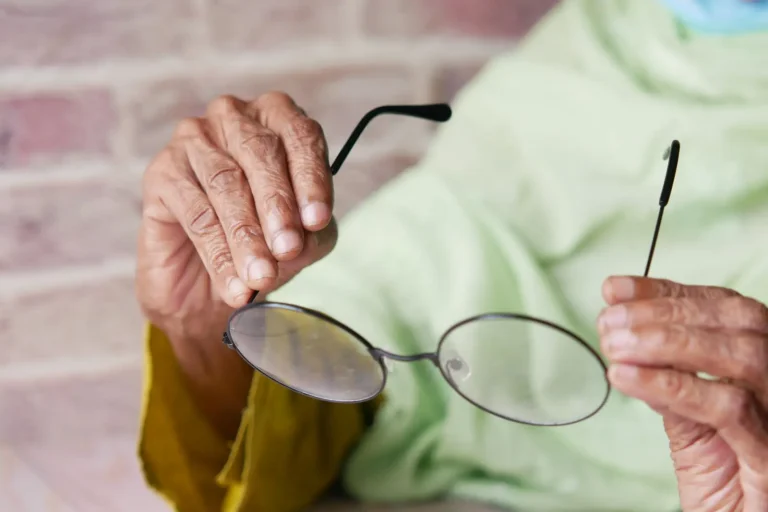
One of the most durable myths is that wearing glasses makes your eyes weaker. This one has real staying power because it feels intuitive: if you rely on a tool, shouldn’t you become dependent on it? The logic seems sound until you consider what’s actually happening. Glasses don’t weaken the eye’s structure or function. What they do is provide clear visual input. When someone stops wearing needed correction, their eyes don’t suddenly strengthen – they just experience blurred vision again. The confusion often comes from people who wore glasses inconsistently, then wore them more regularly and felt like their prescription got worse. In reality, they were simply noticing their actual refractive error more consistently once they had proper correction.
A related belief holds that you can “exercise” your way out of needing glasses. This typically manifests as eye exercises, specific foods, or particular viewing habits that supposedly train the eye to see better. The appeal is obvious – who wouldn’t prefer to avoid correction altogether? But refractive error (myopia, hyperopia, astigmatism) is determined by the shape and length of your eyeball and the curvature of your cornea. These are structural features. Eye exercises don’t reshape the cornea or change axial length. What they can do is help with eye strain or focus fatigue, which are different issues entirely. I’ve seen people spend months on eye exercises expecting their prescription to drop, then feel disappointed when their vision hasn’t changed. The exercises weren’t harmful, but they were solving a problem that didn’t exist.
The “Perfect Vision” Assumption
Another persistent idea is that 20/20 vision is the only acceptable outcome and that anything less means something is wrong. This one reveals a misunderstanding about what 20/20 actually measures. It’s a snapshot of visual acuity at a single distance – how clearly you see details at 20 feet. It doesn’t measure peripheral vision, depth perception, color vision, contrast sensitivity, or how your eyes work together. Someone with 20/20 vision can still have focusing problems, eye coordination issues, or difficulty with night driving. Conversely, someone with 20/30 or 20/40 vision might function perfectly well in their daily life. The number is useful for screening and tracking changes, but it’s not a holistic measure of visual health.
I’ve encountered people who resist correction because they’re convinced that accepting glasses or contacts means their vision will only get worse from there. This feeds into a narrative of inevitable decline. In reality, the progression of refractive error follows its own timeline, largely determined by genetics, age, and sometimes environmental factors like near work intensity. Correction doesn’t accelerate that process. What does happen is that as people age, presbyopia develops – the eye’s lens loses flexibility – and this is a normal part of aging that affects nearly everyone eventually. It’s not caused by wearing glasses; it’s simply revealed by the fact that you can now see clearly enough to notice the change.
Contact Lenses and Permanent Damage
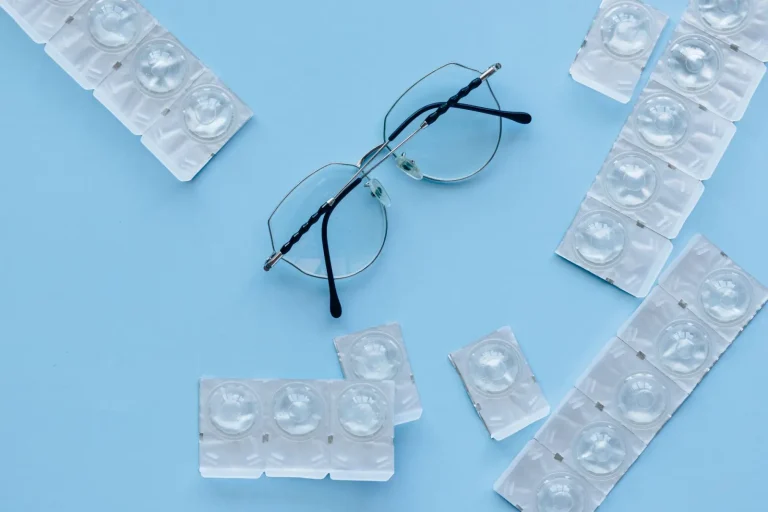
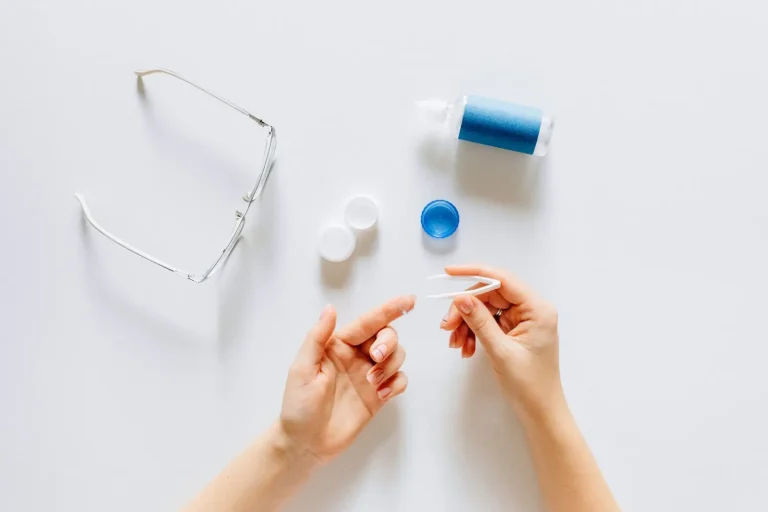
The fear that contact lenses will permanently damage your eyes is common enough that I hear it regularly. The actual risk is much more nuanced. Contacts themselves don’t damage healthy eyes when used properly. The problems arise from poor hygiene, overwearing lenses beyond their recommended schedule, sleeping in lenses not designed for overnight wear, or ignoring signs of irritation. These habits can lead to corneal abrasion, infection, or other complications. But these are consequences of misuse, not inherent properties of contact lenses. Someone who handles them carefully and follows care guidelines will not experience permanent damage. The myth persists partly because the worst-case scenarios are memorable and get shared, while the millions of people wearing contacts without incident don’t generate stories.
There’s also a widespread belief that corrective lenses should feel completely invisible and comfortable immediately. In practice, adaptation takes time. New glasses often feel strange for the first few days or even weeks – the world looks slightly different, peripheral vision shifts, and your brain needs to recalibrate. This is normal. Similarly, new contact lens wearers typically need a gradual adjustment period. If discomfort persists beyond that window or feels acute, that signals something worth investigating. But expecting instant, effortless comfort sets people up for unnecessary worry about a normal transition.
The idea that you shouldn’t change your prescription frequently is another one I encounter. The logic seems to be that stability is inherently good and frequent changes are a sign of something wrong. What actually matters is whether your current correction matches your current refractive error. If your vision has genuinely changed, updating your prescription is the appropriate response, not something to resist. Children’s prescriptions can shift noticeably year to year during growth. Adults typically stabilize, but changes still happen. Resisting an update because you changed your prescription last year doesn’t protect your eyes – it just means you’re seeing less clearly than you could be.
Aging and Vision Loss
A subtler myth is that significant vision loss is an inevitable part of aging. While presbyopia is universal and some age-related changes in vision are normal, the extent and impact vary tremendously. Someone in their 60s might have perfectly adequate vision with appropriate correction, while another person struggles despite correction. Lifestyle factors, overall eye health, genetics, and existing conditions all play roles. Assuming that aging automatically means poor vision can lead people to accept worse vision than they actually need to tolerate.
Finally, there’s the belief that you can self-diagnose vision problems or that a change in your vision is always minor until proven otherwise. People often wait months or years before getting their vision checked, attributing gradual blur to fatigue or age. Sometimes it is just fatigue. Sometimes it’s a prescription change. But occasionally, vision changes signal something that needs attention – early glaucoma, cataracts, retinal issues, or other conditions that benefit from early detection. The point isn’t to panic at every shift in clarity, but to recognize that persistent changes warrant a proper evaluation rather than assumption.
What I’ve learned from observing these patterns is that most vision correction myths survive because they contain fragments of truth or appeal to reasonable intuitions about how the body works. The reality is usually more straightforward: correction works because it compensates for structural differences in how your eye focuses light. It doesn’t weaken, strengthen, or fundamentally alter your eyes. It simply provides the optical adjustment your particular eyes need to function clearly. Understanding that distinction – between correction as compensation versus correction as dependency or damage – tends to dissolve most of the worry that keeps these myths alive.