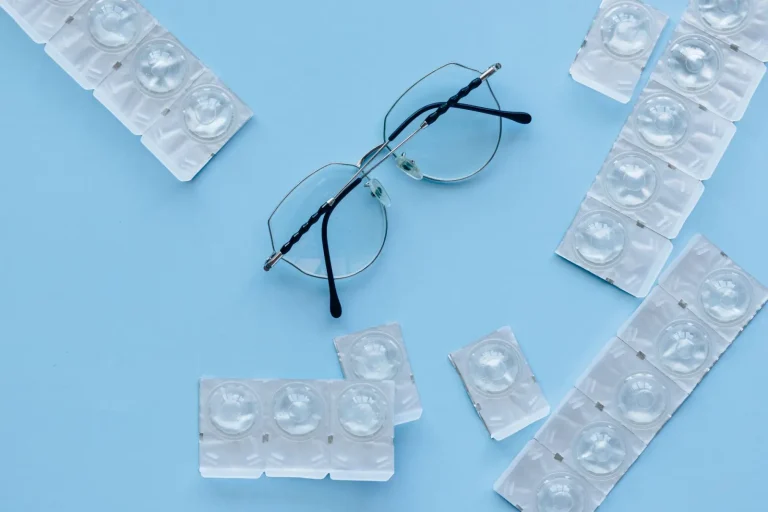


When I first started working with vision correction in the early 2000s, the landscape was remarkably different from what exists now. The materials were heavier, the coatings were basic, and the range of specialized designs was narrow. Over the past twenty years, I’ve watched prescription lenses evolve in ways that have genuinely changed how people manage their eyesight – not through revolutionary leaps, but through steady refinement in materials science, manufacturing precision, and a deeper understanding of how eyes actually work in real environments.
The shift started with materials. For decades, glass dominated the field, and for good reason: it was optically clear and durable. But glass is dense and heavy, which meant thicker lenses for stronger prescriptions and more weight on the nose and ears. The introduction of plastic (CR-39) in the 1980s was significant, but the real turning point came with high-index plastics in the 1990s and early 2000s. These materials bent light more efficiently, which meant a prescription could be delivered in a thinner, lighter lens. I noticed this shift immediately in how patients reported comfort during long workdays. The reduction in weight alone made a tangible difference for people wearing stronger corrections.
What surprised me most, though, wasn’t the initial material change – it was how quickly people adapted to expecting thinner lenses as a baseline. The market moved fast. By the mid-2000s, ultra-high-index materials became accessible at reasonable cost, and suddenly a person with a strong prescription could wear lenses that looked almost normal in thickness. This wasn’t just vanity. There’s a real ergonomic benefit to lighter weight over eight or ten hours of daily wear.
Coatings Became the Real Game-Changer
If I had to point to one area where prescription lenses genuinely transformed, it would be coatings. The anti-reflective coating is a perfect example. In the early 2000s, these coatings existed but were fragile and prone to peeling or degrading. I’d see patients return frustrated after a few months because the coating had started to flake. The optical benefit was real – less glare, better light transmission through the lens, a clearer appearance – but the durability wasn’t there yet.
The technology matured significantly. Modern anti-reflective coatings are far more durable, and more importantly, they’re now standard rather than premium. I’ve observed that this shift has reduced a common source of frustration: people no longer expect their lenses to deteriorate visibly within a year or two. The coatings still require care, but they hold up to daily wear in ways that would have seemed impossible fifteen years ago.
Then came the blue-light filtering coatings, which arrived around 2010 and sparked a lot of debate. I’ve seen the marketing around these, and I’ve also seen the real-world response from people who wear them. The evidence is mixed – some people report reduced eye strain during extended screen time, others notice no difference. What I’ve observed is that the coating itself is legitimate technology, but the claims around it often outpace what the science actually supports. That said, it’s become another layer of customization that some people find genuinely helpful, particularly those spending twelve or more hours daily in front of screens.
Design and Lens Geometry Shifted Quietly
One of the most underappreciated changes has been in how lenses are actually designed and manufactured. Twenty years ago, lenses were largely made using traditional grinding and polishing methods. The prescription was applied uniformly across the lens surface based on fairly standard formulas. Today, digital surfacing and freeform manufacturing have introduced a level of precision that’s genuinely different.
What this means in practice is that a lens can now be customized not just for the prescription strength, but for how that person actually uses their eyes. The angle at which someone looks through different parts of the lens, their pupil size, the distance between their eyes, even the frame geometry – these variables can now be factored into the lens design itself. I’ve noticed that people who spend significant time at computers or doing detailed work often benefit more from this precision than someone whose visual demands are more general.
Progressive lenses – the no-line bifocals – have been particularly transformed by this technology. The older progressive designs had larger “blind spots” on the sides where the prescription wasn’t quite right for that viewing angle. Modern freeform progressives have much smaller areas of distortion, which means people adapt to them faster and experience fewer headaches during the adjustment period. This is one area where I’ve genuinely seen patient satisfaction increase measurably over the years.
Materials for Specific Needs
The expansion of material options has also opened up specialized applications. Polycarbonate lenses, which are impact-resistant and lighter than standard plastics, used to be relegated to children’s eyewear or safety glasses. Now they’re commonly chosen for active lifestyles or occupational needs. Trivex, another material, offers similar benefits with slightly different optical properties. The fact that these options exist and are affordable means people can choose lenses suited to their actual life rather than accepting a one-size-fits-all solution.
I’ve also seen the emergence of materials designed specifically for people who spend most of their day indoors under artificial lighting. These aren’t dramatically different from standard lenses, but they’re optimized for the color temperature and flicker patterns of LED and fluorescent environments. Whether the benefit is purely optical or partly psychological, I can’t say definitively, but I’ve noticed people report less fatigue when wearing them in office settings.
Photochromic technology – lenses that darken in sunlight – has also evolved. The older versions were slow to change and sometimes didn’t fully clear indoors. Modern photochromics respond faster and clear more completely, which has made them a practical option for people who move frequently between indoor and outdoor environments rather than just a novelty feature.
What Hasn’t Changed as Much as You’d Expect
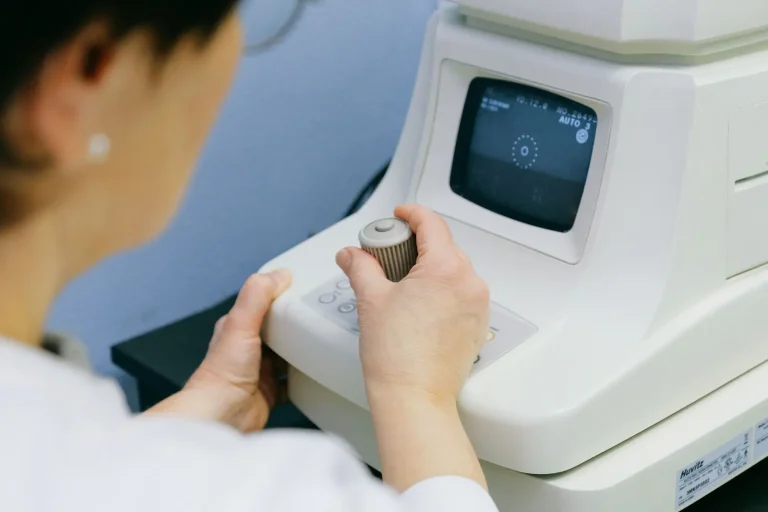
Despite all this progress, some fundamentals have remained stubbornly consistent. The basic optical principle behind correcting refractive error is the same. The way prescriptions are determined hasn’t fundamentally shifted – we still use similar tests and measurements, though the equipment is now digital rather than mechanical. And perhaps most importantly, the fit and comfort of glasses still depend heavily on proper frame selection and adjustment, which is as much craft as science.
I’ve also noticed that technological advancement doesn’t always translate to better outcomes if the basics aren’t handled well. A person wearing expensive freeform progressive lenses in a poorly fitted frame will have a worse experience than someone in inexpensive single-vision lenses in a well-fitted frame. The technology is only as good as its application.
The evolution of prescription lenses over the past two decades reflects a broader pattern in optical science: incremental improvements in materials and manufacturing that compound into genuinely different user experiences. None of these changes were revolutionary in isolation, but together they’ve shifted what’s possible in vision correction. The lenses people wear today are lighter, more durable, more precisely customized, and more specialized than what was available in the early 2000s. Whether someone notices or benefits from these advances depends largely on their specific visual needs and how much time they spend in demanding visual environments. For some people, modern lenses make a significant difference. For others, the improvements are subtle. What matters is that the options now exist to match the correction to the person, rather than forcing the person to adapt to a standard solution.